General Dentistry
Comprehensive dental services that strengthen the foundation of your oral health. We are here for all your needs from routine checkups to filling…
We explain before we treat
At our clinic in Gaziosmanpaşa, we carry out a detailed examination before any treatment begins and clearly explain the options available to you.
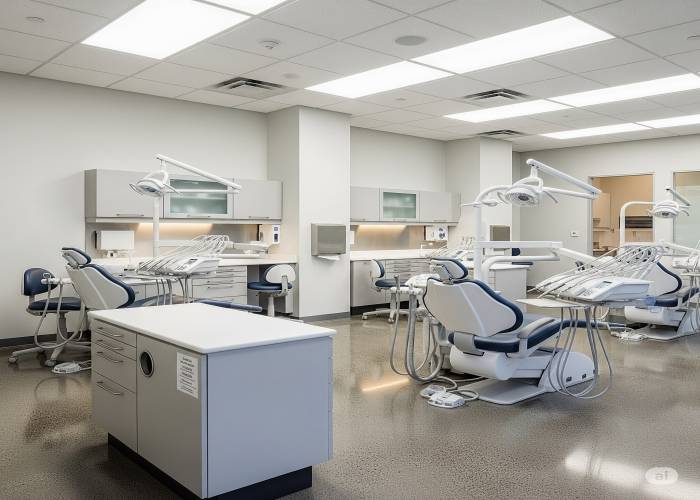
At Dr. Murat Papak’s clinic every treatment starts with a detailed examination and, where needed, a panoramic X-ray. General dentistry, implantology, aesthetic dentistry, root canal treatment, gum treatments, orthodontics and paediatric dentistry are offered under one roof.
Our Treatments
Comprehensive dental services that strengthen the foundation of your oral health. We are here for all your needs from routine checkups to filling…
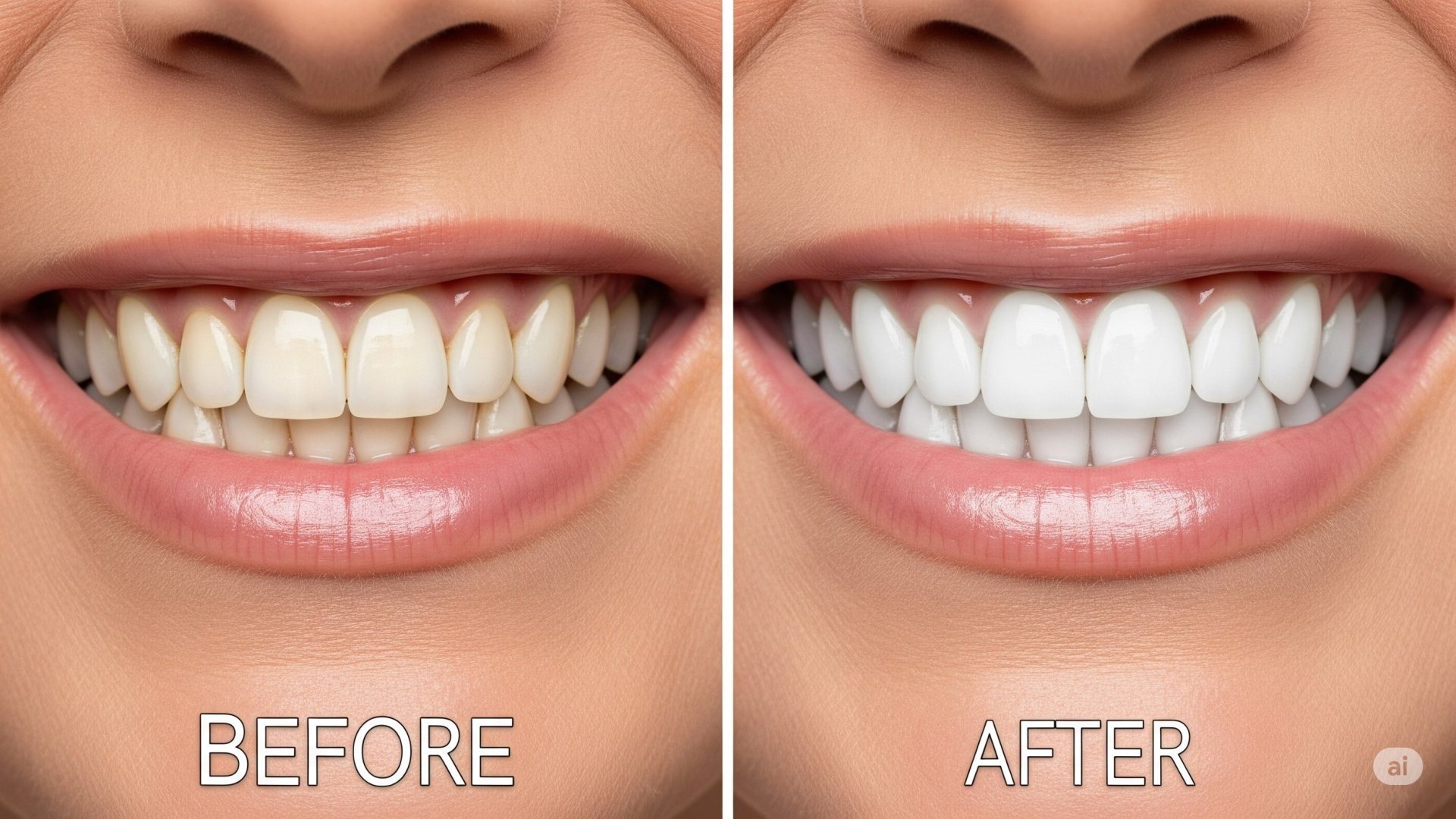
Reach your dream smile. We meet your aesthetic expectations at the highest level with digital smile design, teeth whitening and porcelain laminate…
The pinnacle of aesthetics and durability. Natural tooth appearance with metal-free zirconium crowns and Empress crowns that provide maximum…
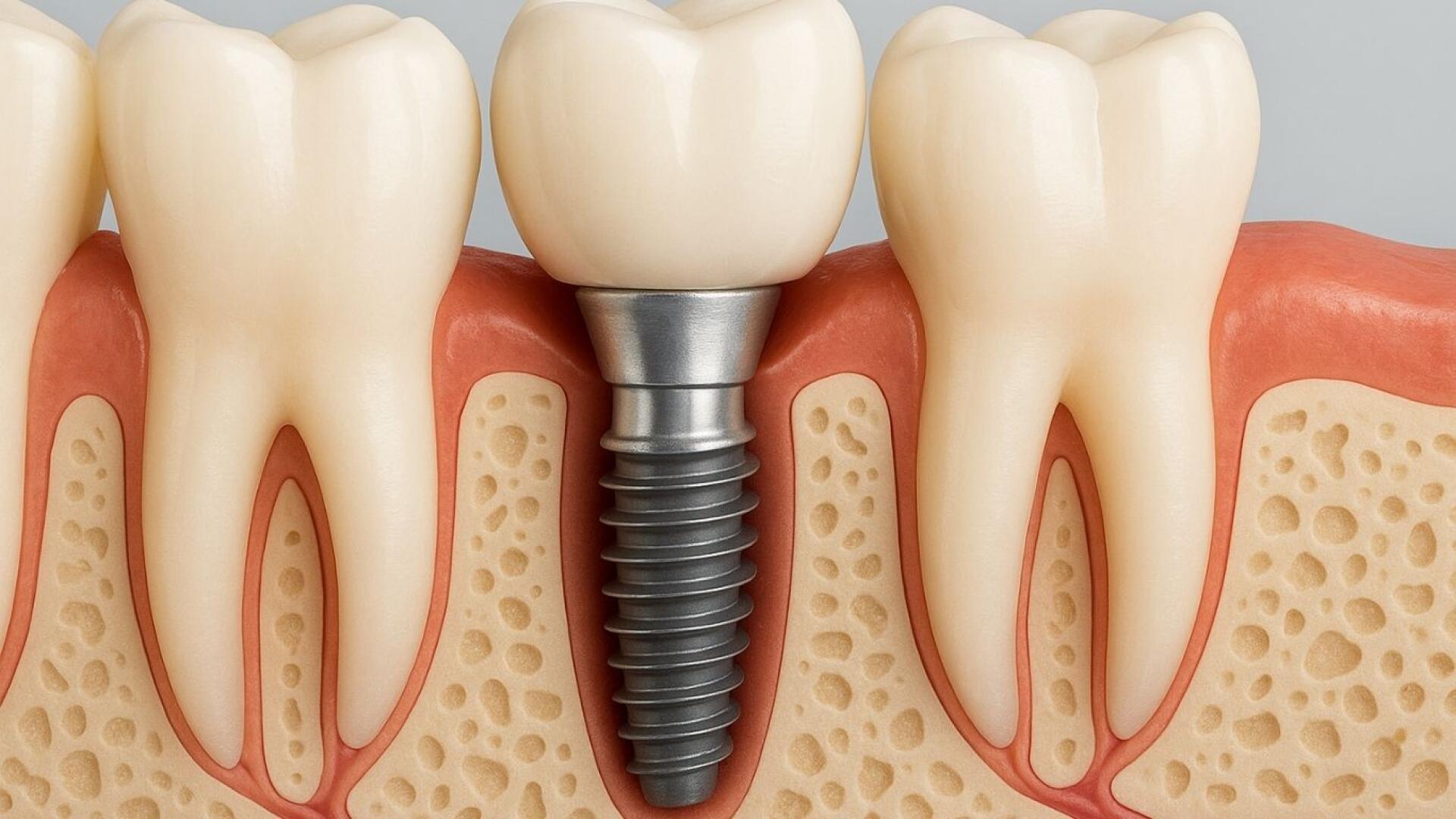
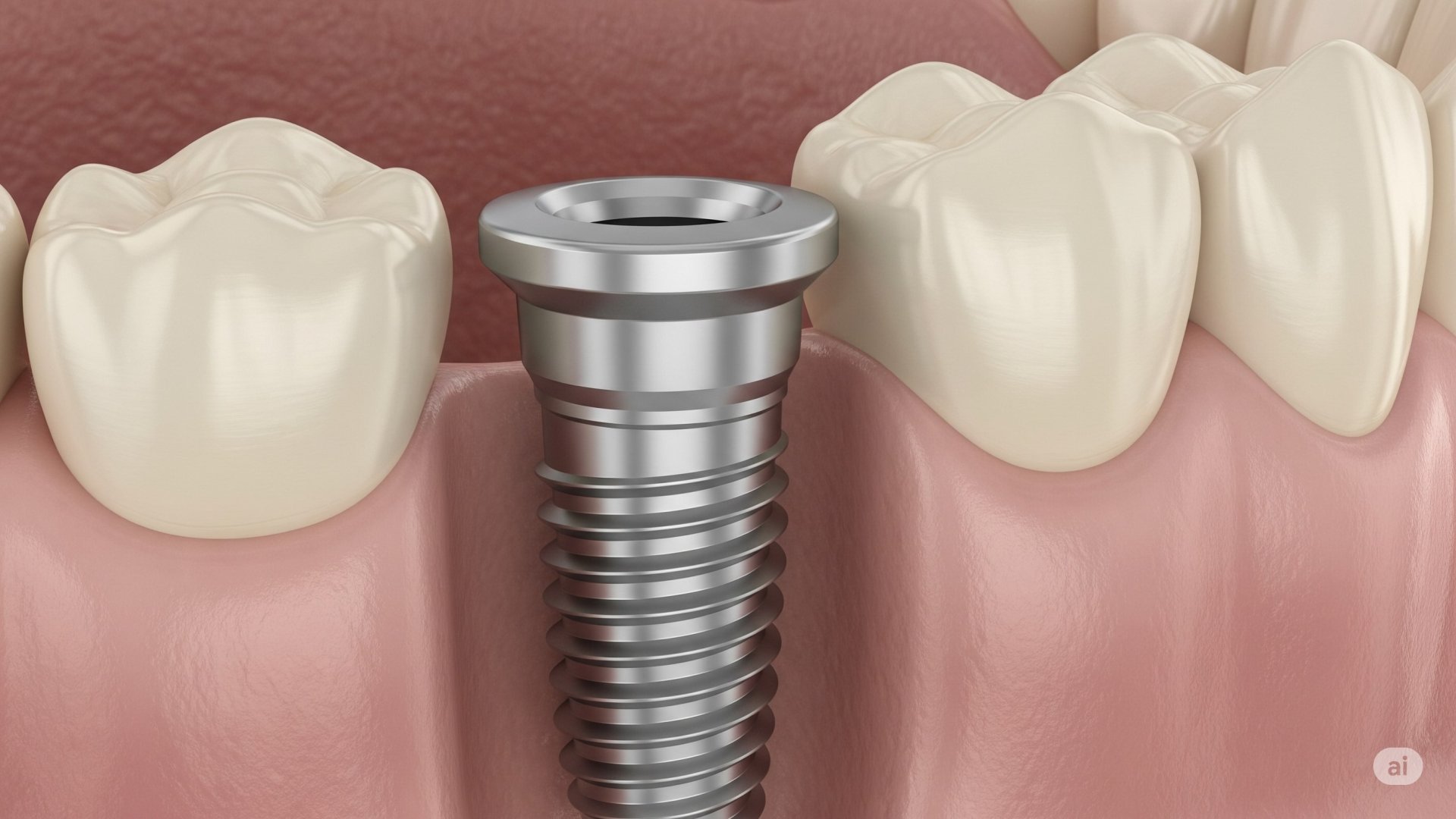
A lasting solution for missing teeth. A titanium implant fuses to the bone, leaving the neighbouring teeth untouched.
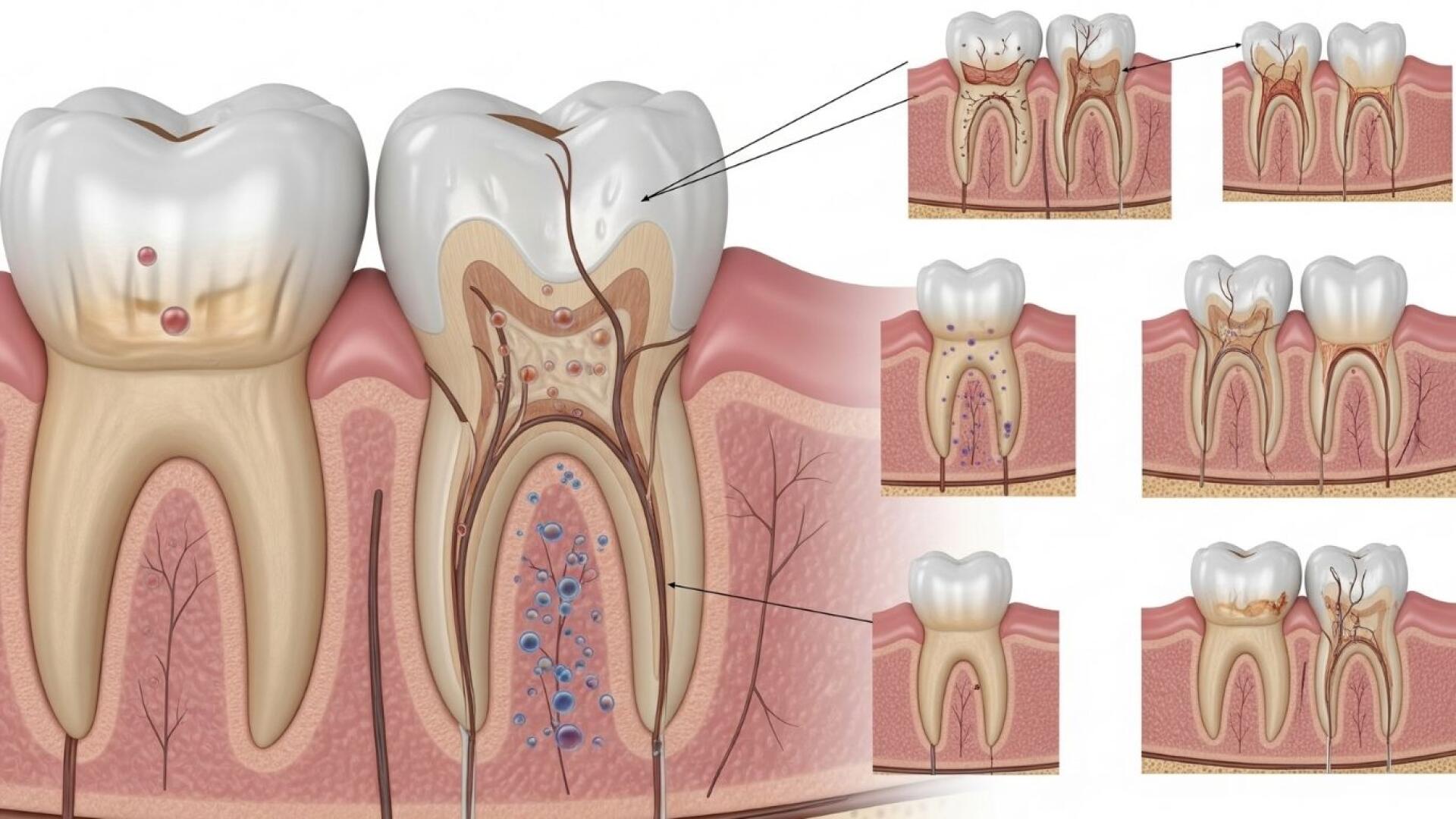
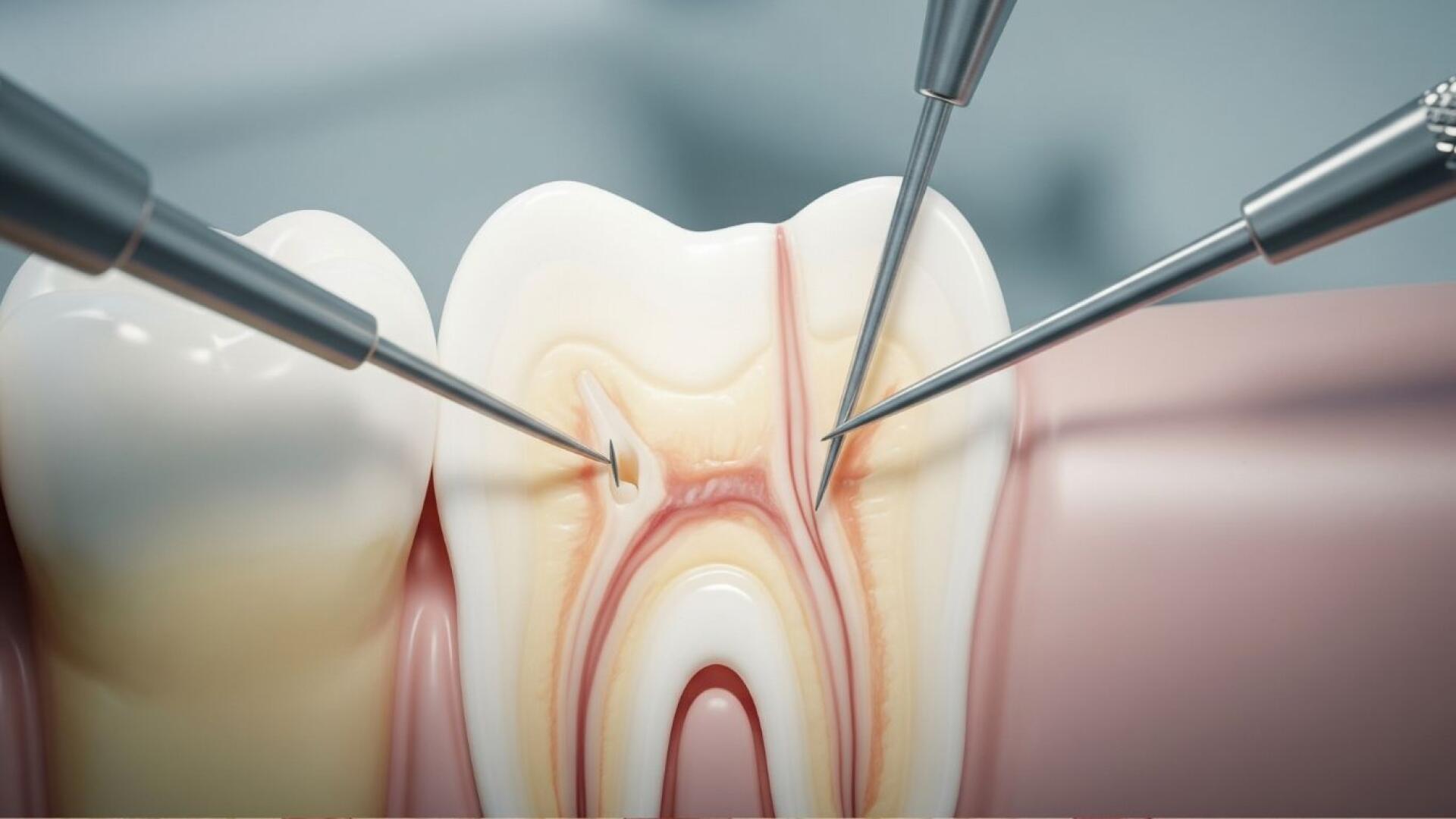
Save your tooth, relieve pain. Root canal treatment aims to keep the tooth in place instead of extracting it.
The foundation of healthy teeth is healthy gums. We restore your periodontal health with comprehensive gum treatments.
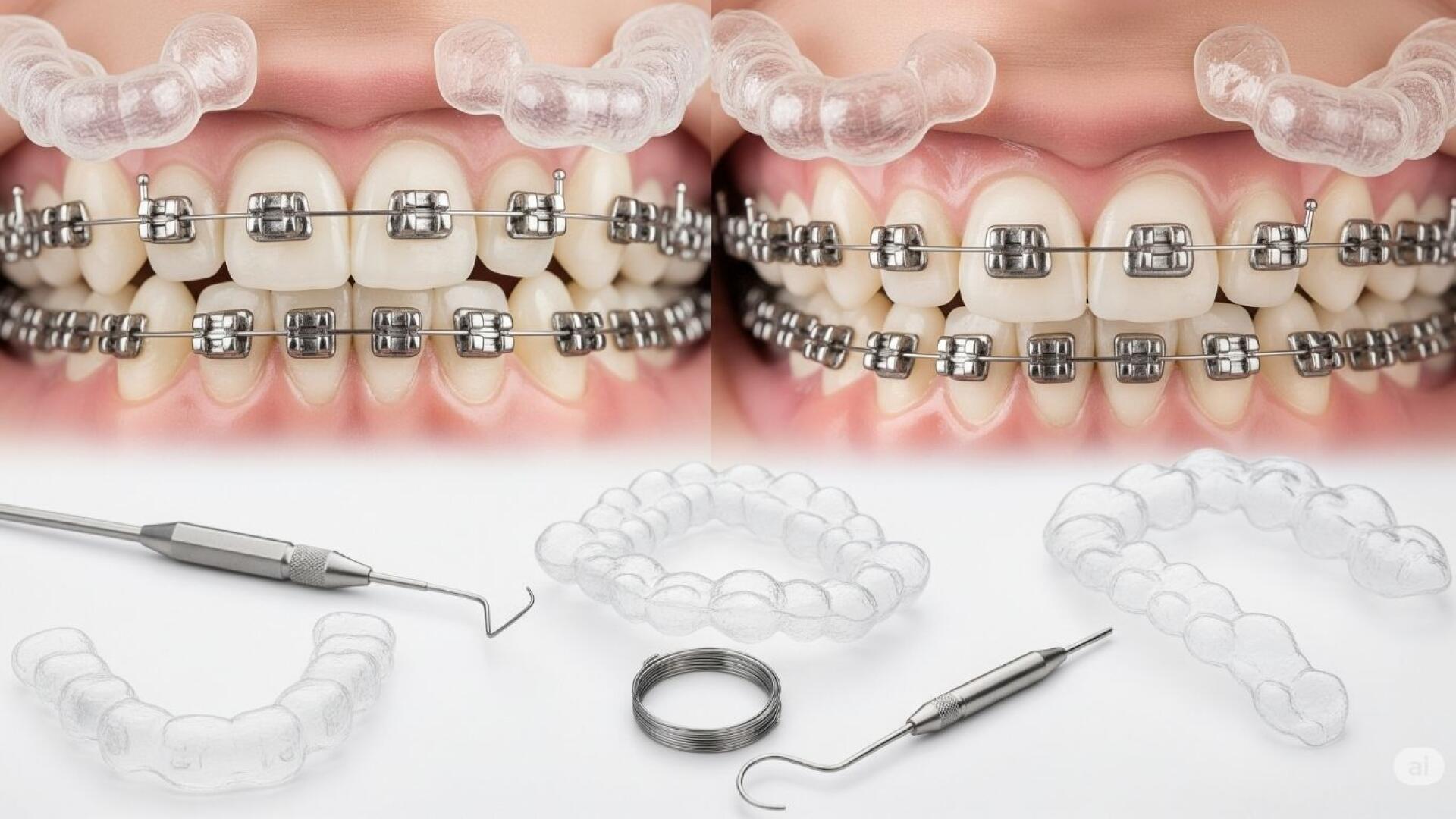
Straight teeth, aesthetic smiles. We bring your teeth to their ideal positions with orthodontic solutions suitable for all ages.
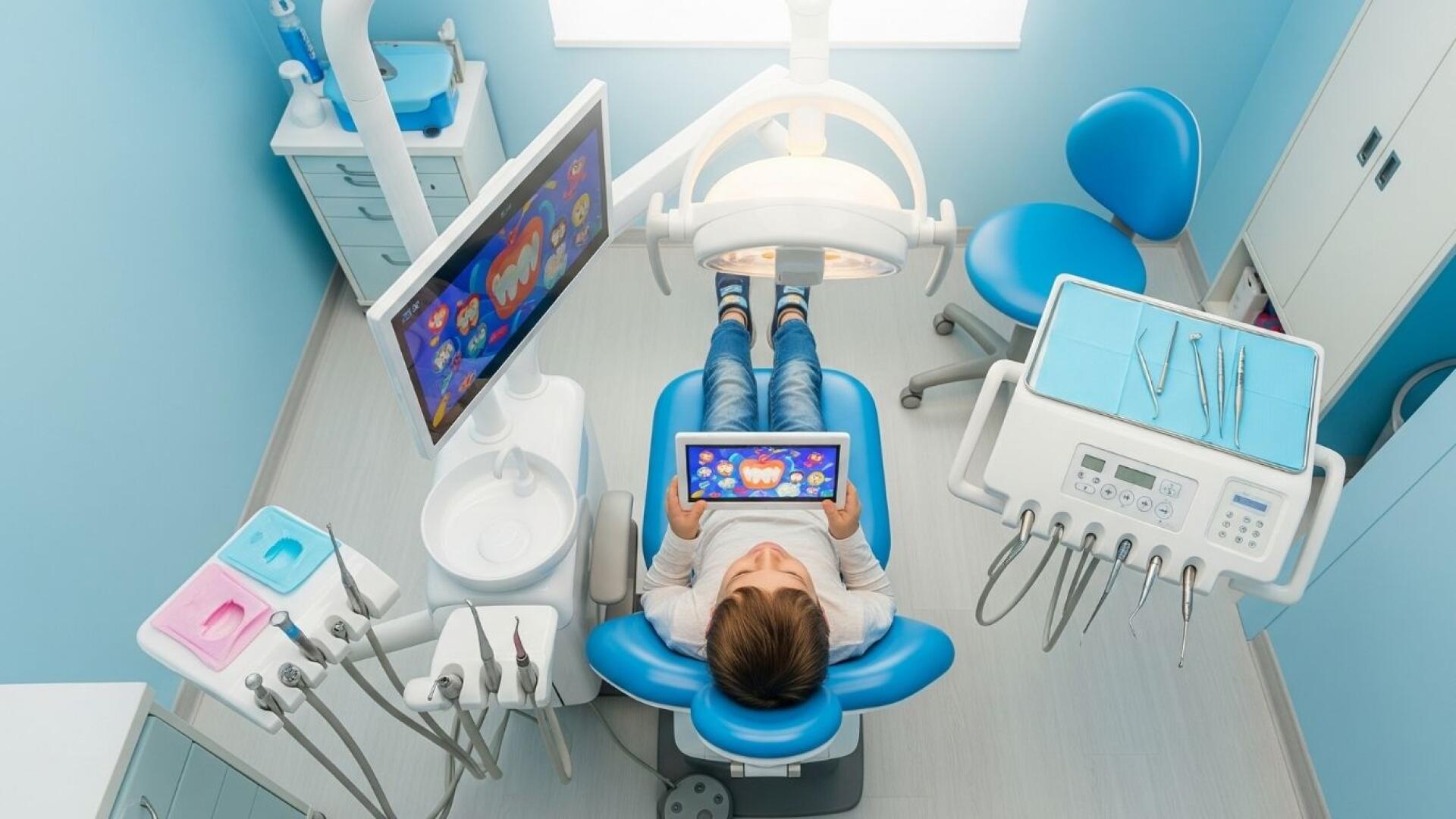
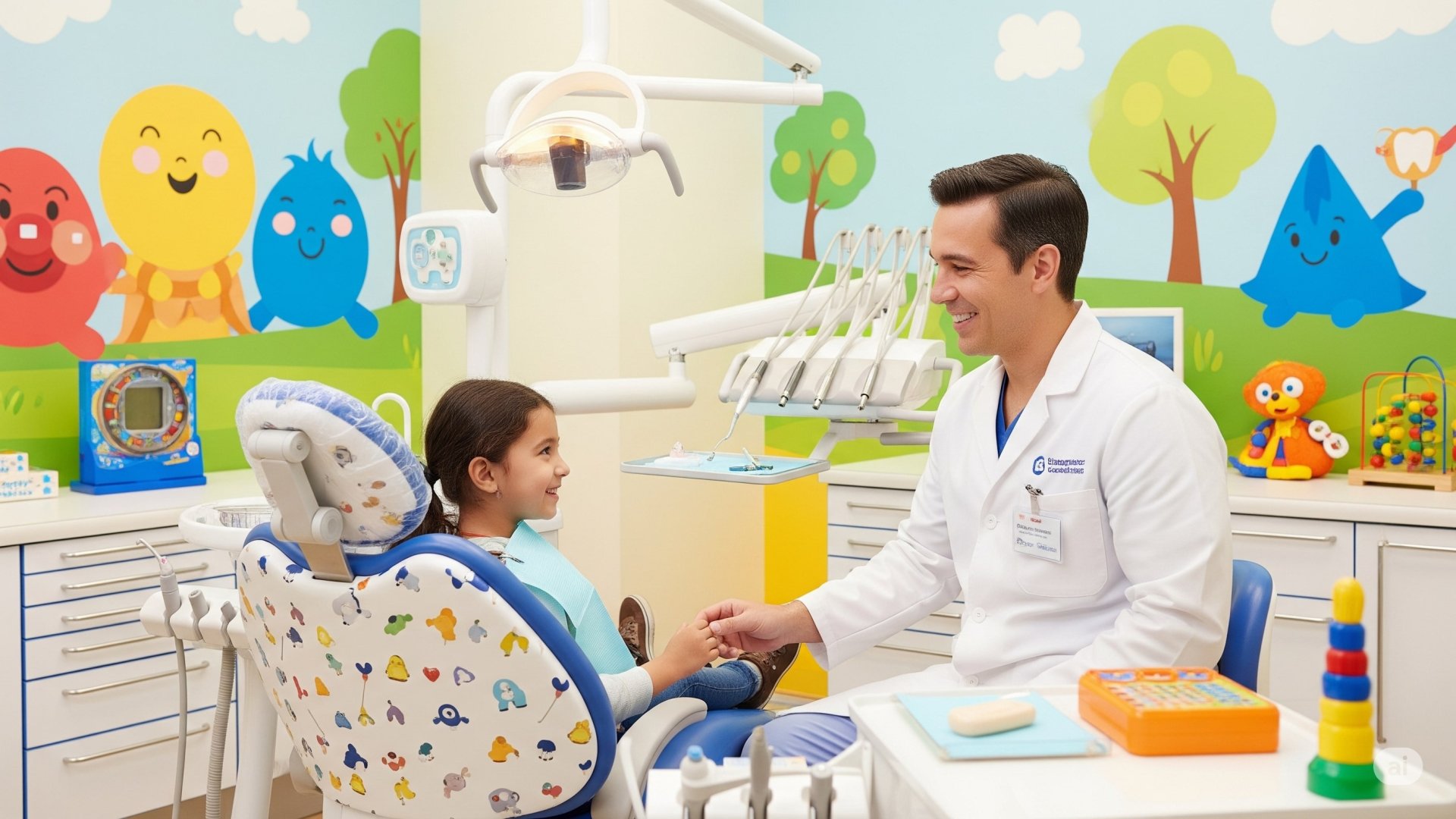
Our children's smiles are safe. We protect your children's dental health with child-friendly approach and comprehensive pedodontics services.
Treatment Process
Whatever treatment you receive, the process follows the same path and you know in advance what happens at each step.
We listen to your complaint and carry out an intraoral examination. Where needed, a panoramic X-ray lets us assess bone structure and hidden problems.
We explain the findings in plain language, compare the alternative treatments with their durations and differences, and decide together.
The procedure is carried out under sufficient local anaesthesia with breaks. If you feel discomfort we stop, make you comfortable and then continue.
We explain what to watch for after treatment and schedule your follow-up. Routine six-monthly check-ups are the most effective way to prevent recurrence.
Frequently Asked Questions
We have answered the questions our patients ask most, based on our clinical experience.
The cost of implant treatment depends on the implant brand, the number of implants placed, the type of restoration above them (single crown, bridge or denture) and any additional surgery required, such as bone grafting or a sinus lift. Because these variables cannot be known without an examination and an X-ray, a single figure quoted by phone or online does not reflect reality. After an intraoral assessment and a panoramic X-ray your treatment plan is drawn up, and the cost is shared with you in writing on the basis of that plan.
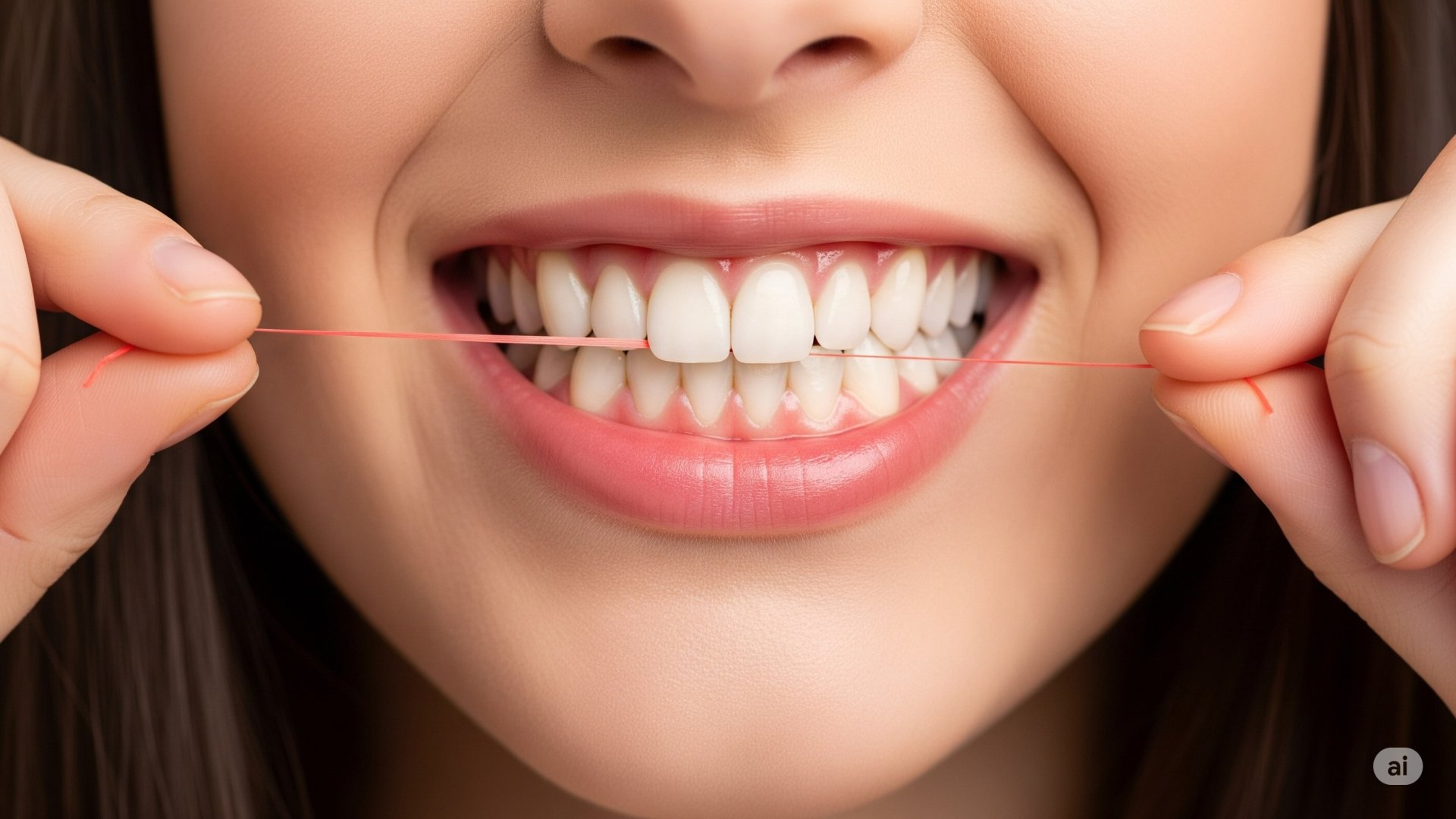
Yes. Because zirconium transmits light, crowns made from it look very close to natural teeth and perform well aesthetically. Care is the same as for natural teeth: regular brushing, daily flossing and a dental check-up every six months keep them healthy for many years.
For the first 24-48 hours after whitening it is important to avoid strongly coloured food and drink such as coffee, tea and red wine. Stopping or reducing smoking also helps the result last longer. Keeping up your normal oral hygiene routine preserves the effect over time.
Smile design means analysing the harmony between your teeth, gums, lips and facial structure in order to create a smile suited to you. Several methods may be combined in the process: porcelain laminates, zirconium crowns, whitening or orthodontic treatment. You can get detailed information about smile design at our clinic in İstanbul.
Prompt treatment matters in emergencies such as unexpected toothache, a broken tooth or a lost filling. Our clinic provides emergency dental care so that patients in İstanbul can have their pain addressed as quickly as possible. Please contact us directly in an emergency.
Yes. Clear aligner treatment, an aesthetic alternative to conventional fixed braces, is carried out at our clinic. Because the trays are almost invisible, teeth can be straightened without affecting your daily life. Contact our clinic in İstanbul for an aligner treatment plan tailored to you.
For the first 24 hours after an extraction you should keep the gauze pad in place to control bleeding, avoid drinking through a straw and stay away from foods that irritate the site. Healing usually takes 3-7 days, although complete healing of bone and soft tissue can take several weeks. Maintaining oral hygiene and following your dentist's advice are important.
When choosing a dentist for a child, it matters that the clinic offers a child-friendly environment, that the dentist is experienced in paedodontics (children's dentistry) and that they communicate well with your child. Our clinic provides a calm, welcoming setting to help protect your children's dental health.
Bleeding gums are usually a sign of gingivitis — gum inflammation caused by inadequate oral hygiene. In more serious cases they can indicate advanced gum disease such as periodontitis. At our clinic in İstanbul we diagnose the cause of the bleeding and restore gum health through scaling, curettage or other appropriate treatment.
Yes, panoramic X-rays are taken at our clinic. A panoramic film is an important diagnostic tool that shows all the teeth, the jawbones and the surrounding tissues in a single wide-angle image. It plays a critical role in diagnosing impacted teeth, cysts, tumours and infections, and in planning implant and orthodontic treatment.
Dental Health Guide
Smile design is not a single procedure; it is the combined planning of tooth shape, colour and alignment in relation to the lips, gums and…
A short, sharp pain from a sip of cold water is the classic description of sensitivity. The cause is thinning of the protective outer…
“Am I too old for this?” is the most common question in orthodontic consultations. The short answer: there is no age limit as long as gum…
Book an Appointment
Message us on WhatsApp and we will agree on a suitable day and time. Ask directly about your pain, the treatment you are considering or pricing. For urgent toothache, please call.
Behind every procedure carried out in a clinic today lies a chain of observation and research spanning centuries. The milestones below shaped modern dentistry into what it is now.
The belief that decay was caused by a "tooth worm" gnawing the tooth from within goes back to cuneiform tablets from Mesopotamia and persisted into the 18th century. The French surgeon Pierre Fauchard rejected it in Le Chirurgien Dentiste, published in 1728; because he defined dentistry as a separate, systematic discipline, he is regarded as the founder of modern dentistry.
The work explaining the real mechanism arrived in 1890, when Willoughby D. Miller set out the chemico-parasitic theory in The Micro-organisms of the Human Mouth. He showed that oral bacteria ferment carbohydrates into acid, and that this acid dissolves the mineral of the enamel. Our understanding of caries as a repeated mineral-loss process still rests on that foundation.
Wilhelm Röntgen described X-rays in November 1895. Only months later, in 1896, the German dentist Otto Walkhoff took the first dental radiograph in his own mouth, with an exposure time of 25 minutes. Today a panoramic film takes seconds and is used at every stage, from implant planning to locating impacted teeth.
In 1901 Frederick McKay, a dentist working in Colorado Springs, noticed that local residents had brown staining on their teeth yet were markedly resistant to decay. The cause turned out to be fluoride in the water. Following the epidemiological studies of H. Trendley Dean, Grand Rapids, Michigan became the first city to add controlled levels of fluoride to its drinking water on 25 January 1945 — the first mass application of preventive dentistry.
That gum disease is preventable was demonstrated in 1965: in Experimental Gingivitis in Man, Harald Löe and colleagues showed that healthy volunteers who stopped brushing developed gingivitis within 10-21 days, and that the condition reversed once brushing resumed. This experiment is why daily oral hygiene is not negotiable.
In 1952 the Swedish orthopaedist Per-Ingvar Brånemark was studying bone healing when he found that a titanium chamber could not be separated from the bone. He named this unexpected observation osseointegration. The first titanium dental implant was placed in a patient in 1965 and remained functional for decades. All implant treatment today rests on that principle.
Formal dental training in Türkiye began in 1908 with the Dişçi Mektebi (School of Dentistry), opened in İstanbul within the Imperial School of Medicine. That institution later became the Faculty of Dentistry of İstanbul University.
According to the World Health Organization's 2022 Global Oral Health Status Report, oral diseases affect around 3.5 billion people worldwide. Untreated caries in permanent teeth is the most common of all the health conditions examined in that report. Much of this burden is preventable through regular examinations and daily care.